• Skip to primary navigation
  • Skip to main content
Philip Hacking

Philip Hacking

Hacking Contractor Singapore

  • Home
  • Our Services
    • Hacking Services
    • Tiling Services
  • Certifications
  • Our Works
  • Blog

admin

Top 5 Tiling Trends in Singapore Homes for 2025

May 24, 2025 by admin

Table of Contents

  1. Introduction
  2. Large Format Tiles for Spacious Interiors
  3. Textured and 3D Tiles for Unique Designs
  4. Sustainable and Eco-Friendly Materials
  5. Bold Patterns and Geometric Designs
  6. Smart Tiles and Innovative Technology
  7. Conclusion

Introduction

Tiling is not just a functional aspect of a home; it is also a major design element that reflects style and personality. In Singapore, homeowners are increasingly looking for ways to make their interiors stand out while maintaining durability and ease of maintenance. As 2025 approaches, several tiling trends are emerging that combine aesthetics, functionality, and sustainability. This article explores the top five tiling trends that are shaping Singapore homes in 2025.

Top 5 Tiling Trends in Singapore Homes for 2025

Large Format Tiles for Spacious Interiors

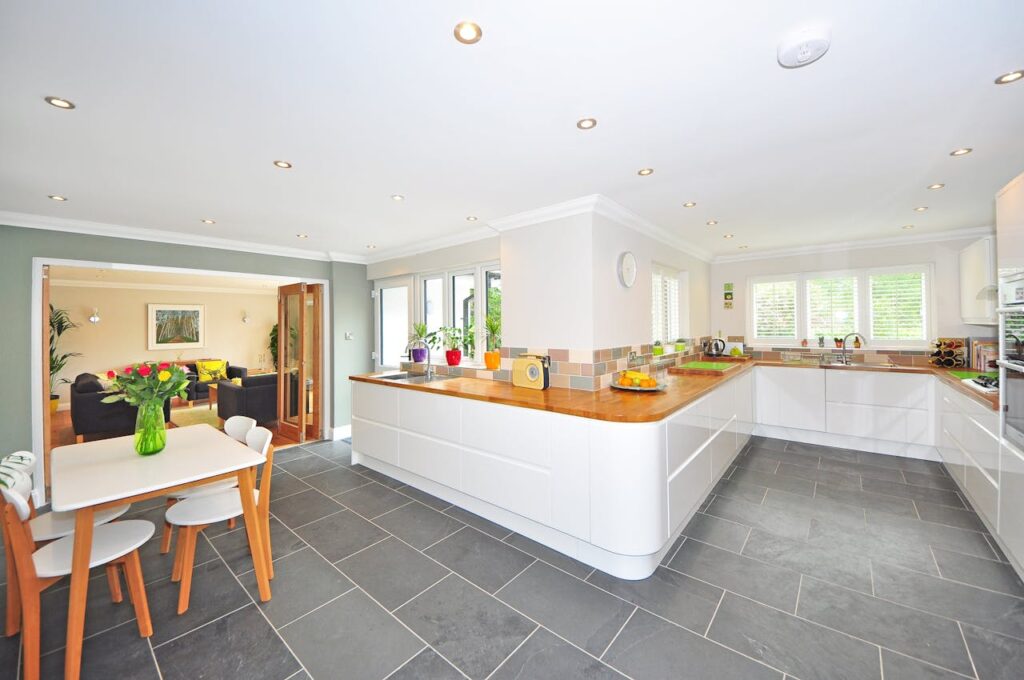
One of the most prominent trends in Singapore homes is the use of large format tiles. These tiles, often measuring 60×60 cm or larger, create a seamless and expansive look that makes small spaces feel bigger. Large tiles reduce grout lines, which not only enhances the visual appeal but also simplifies cleaning and maintenance. They are particularly popular in living rooms, kitchens, and bathrooms, giving interiors a modern and luxurious feel.

Homeowners are choosing materials like porcelain and natural stone for large tiles due to their durability and elegant finishes. The neutral tones and minimalist patterns of large format tiles align with contemporary design preferences in Singapore.


Textured and 3D Tiles for Unique Designs

Textured and three-dimensional tiles are gaining popularity among homeowners looking to add depth and character to their spaces. These tiles can mimic natural materials like stone, wood, or concrete while providing tactile interest. In 2025, 3D wall tiles are expected to be widely used in feature walls, bathroom backdrops, and kitchen splashbacks.

The combination of texture and lighting creates dynamic effects, transforming ordinary walls into visually striking elements. Textured tiles also allow homeowners to express creativity without overwhelming the overall interior design.


Sustainable and Eco-Friendly Materials

Sustainability is a key concern for modern Singapore homeowners. Eco-friendly tiles made from recycled materials, low-VOC adhesives, and energy-efficient manufacturing processes are trending in 2025. Materials such as recycled glass tiles, bamboo-inspired ceramics, and porcelain with natural finishes are becoming popular choices.

Choosing sustainable tiles not only reduces environmental impact but also contributes to healthier indoor air quality. Tiling contractors in Singapore are increasingly recommending eco-conscious options that align with both aesthetic goals and environmental responsibility.


Bold Patterns and Geometric Designs

Geometric patterns and bold prints are making a comeback in Singapore homes. From chevrons and herringbone layouts to Moroccan-inspired motifs, patterned tiles allow homeowners to create focal points and add personality to spaces. Feature walls, bathroom floors, and kitchen backsplashes are popular areas for experimenting with bold designs.

The use of contrasting colors, shapes, and sizes can transform ordinary rooms into statement spaces. Many homeowners combine patterned tiles with neutral surroundings to balance vibrancy and elegance, ensuring the design remains contemporary and stylish.


Smart Tiles and Innovative Technology

Advancements in tile technology are introducing smart features into home interiors. In 2025, innovations such as anti-bacterial coatings, slip-resistant surfaces, and heat-retaining underfloor tiles are becoming more accessible. Some tiles even integrate LED lighting or digital design capabilities, allowing customization of patterns and colors through smart home systems.

These technological advancements enhance functionality and convenience while maintaining aesthetic appeal. Homeowners in Singapore are increasingly seeking tiling solutions that offer both practicality and cutting-edge design.


Conclusion

The tiling trends in Singapore homes for 2025 combine style, innovation, and sustainability. Large format tiles create spacious, modern interiors, while textured and 3D designs add character. Eco-friendly materials cater to environmentally conscious homeowners, bold patterns make a strong design statement, and smart tiles introduce technology into everyday living.

Staying updated with these trends allows homeowners to make informed decisions when renovating or designing their homes, ensuring spaces are both visually appealing and future-ready. Choosing the right tiles and tiling contractor in Singapore ensures that these trends are implemented professionally and effectively.
Filed Under: Tiling

How to Choose the Right Tiling Contractor in Singapore 2025

May 10, 2025 by admin

Table of Contents

  1. Introduction
  2. Understand Your Tiling Needs
  3. Check Qualifications and Certifications
  4. Evaluate Experience and Portfolio
  5. Ask for References and Reviews
  6. Compare Quotes and Pricing
  7. Assess Communication and Professionalism
  8. Discuss Warranty and After-Service
  9. Conclusion

Introduction

Tiling is an essential aspect of home renovation and interior design. A well-installed tile can enhance the aesthetic appeal and longevity of your floors and walls. In Singapore, where space is premium and design standards are high, hiring the right tiling contractor is crucial. Choosing the wrong contractor can result in poor workmanship, wasted materials, and unnecessary expenses. This article provides a comprehensive guide on how to select a professional tiling contractor in Singapore who meets your needs and ensures a quality finish.

How to Choose the Right Tiling Contractor in Singapore 2025

Understand Your Tiling Needs

Before engaging a tiling contractor, it is important to understand the scope of your project. Ask yourself the following questions:

  • Are you tiling a bathroom, kitchen, living room, or outdoor area?
  • What type of tiles do you prefer – ceramic, porcelain, natural stone, or mosaic?
  • Do you have specific design patterns or layouts in mind?
  • What is your budget range for the project?

Having a clear understanding of your requirements will help you communicate effectively with potential contractors and allow them to provide accurate quotes and timelines.


Check Qualifications and Certifications

In Singapore, professional tiling contractors should have the necessary qualifications to carry out tiling projects safely and efficiently. Some key points to consider:

  • Verify if the contractor is licensed under the Building and Construction Authority (BCA) or relevant local authorities.
  • Check for certifications or training in tiling installation, waterproofing, and surface preparation.
  • Ensure they adhere to industry standards and best practices.

Hiring a certified contractor reduces the risk of substandard work and ensures compliance with Singapore’s construction and safety regulations.


Evaluate Experience and Portfolio

Experience is one of the most important indicators of a tiling contractor’s capability. An experienced contractor will:

  • Understand the nuances of different tile materials and installation techniques.
  • Anticipate potential issues such as uneven surfaces or water leakage.
  • Deliver high-quality results with attention to detail.

Ask to see their portfolio of completed projects, especially those similar to yours. A well-documented portfolio demonstrates skill, creativity, and reliability.


Ask for References and Reviews

References and reviews provide valuable insights into a contractor’s reputation and work ethic. Steps to follow:

  • Request contact details of previous clients and ask about their experience.
  • Check online reviews on platforms such as Google, Facebook, or Houzz.
  • Look for consistent feedback on punctuality, quality of work, and professionalism.

Positive references and reviews indicate trustworthiness and a strong track record in Singapore’s tiling market.


Compare Quotes and Pricing

Cost is an essential consideration, but it should not be the sole deciding factor. When comparing tiling contractors:

  • Obtain multiple quotes from different contractors for the same project scope.
  • Analyze the breakdown of costs, including labor, materials, and any additional services.
  • Avoid extremely low quotes that may compromise quality.

A reasonable and transparent quote reflects a contractor who values quality and customer satisfaction.


Assess Communication and Professionalism

Effective communication is vital for a smooth tiling project. A professional contractor will:

  • Listen to your requirements and offer expert advice.
  • Provide clear timelines, milestones, and updates throughout the project.
  • Respond promptly to queries and concerns.

Good communication ensures that expectations are aligned, reducing the risk of misunderstandings or delays.


Discuss Warranty and After-Service

A reliable tiling contractor should offer a warranty and after-service support. Key points to consider:

  • Confirm the warranty period for installation and materials.
  • Understand the coverage, including issues like tile cracking or grout deterioration.
  • Ask about maintenance advice and after-service procedures.

Warranty and support provide peace of mind, protecting your investment in case of unexpected issues.


Conclusion

Selecting the right tiling contractor in Singapore requires careful research and consideration. By understanding your tiling needs, checking qualifications, evaluating experience, reviewing references, comparing quotes, assessing communication, and discussing warranties, you can ensure a high-quality finish and a hassle-free tiling project. Investing time in choosing the right contractor not only guarantees a visually appealing result but also adds long-term value to your home.

Filed Under: Tiling

How to Choose the Right Demolition Contractor in Singapore

April 26, 2025 by admin

Demolition is a critical part of many renovation projects, whether you’re demolishing an entire building or just a few walls to make way for new designs. In Singapore, hiring the right demolition contractor is essential to ensure that the work is done safely, efficiently, and in compliance with local regulations. A good demolition contractor will not only have the right equipment and experience but will also provide expert advice on how to carry out the demolition in the most cost-effective manner while keeping safety at the forefront.

This article outlines the key factors to consider when choosing a demolition contractor in Singapore.


1. Licensing and Certification

The first and most important factor when hiring a demolition contractor is to ensure that they are properly licensed and certified. In Singapore, demolition works require certain qualifications and adherence to safety regulations. You should check that the contractor holds the appropriate licenses issued by the Building and Construction Authority (BCA) or other relevant authorities.

Licensed contractors are required to have demonstrated the necessary skills and knowledge to perform demolition works safely and according to the standards set by local regulations.

Why is licensing important?

  • Compliance: Licensed contractors adhere to Singapore’s strict demolition laws and construction regulations.
  • Safety: They are familiar with safety standards and will ensure that demolition work is performed without risks to the workers or the public.
  • Insurance: Licensed contractors often carry insurance to protect against potential accidents, ensuring you are not liable for damages or injuries during the demolition.

Key documents to ask for:

  • BCA licensing (or equivalent)
  • Workplace Safety and Health (WSH) certification
  • Public Liability Insurance

2. Experience and Expertise

Demolition is not a one-size-fits-all process. The type of demolition—whether it’s a partial, full, or selective demolition—requires specific techniques, tools, and expertise. When choosing a demolition contractor, it’s crucial to consider their experience in handling projects similar to yours.

Factors to consider:

  • Previous projects: Ask the contractor about similar projects they’ve completed, especially those similar in scope and complexity. A contractor with experience in both residential and commercial demolitions can offer the versatility you need.
  • Specialization: Some contractors may specialize in certain types of demolition, such as interior demolitions, asbestos removal, or industrial-scale demolitions. Choose one whose expertise matches the needs of your project.
  • Project scale: Be sure that the contractor is equipped to handle the scale of your project. Whether it’s a small renovation or a large building demolition, they should have the resources to manage your specific requirements.

3. Safety Record

Demolition works can be hazardous, involving the use of heavy machinery, power tools, and the removal of potentially dangerous materials like asbestos. A reputable demolition contractor will prioritize safety in all aspects of the job.

Ask potential contractors about their safety protocols, and look into their safety records. Contractors should comply with all relevant Workplace Safety and Health (WSH) guidelines, and their employees should be well-trained in safety procedures.

Questions to ask:

  • What safety measures do you have in place?
  • Can you provide evidence of your past safety record?
  • Do you provide safety gear for workers?

A contractor who has a strong safety culture and a proven track record of maintaining safe working environments will minimize the risk of accidents, delays, and additional costs.


4. Cost Estimates and Transparency

Demolition work can be costly, and the last thing you want is unexpected charges during or after the project. A good demolition contractor will provide a clear and detailed breakdown of costs before starting any work.

What to look for in a cost estimate:

  • Written quotes: Ensure that you receive a detailed, written quote that includes all aspects of the demolition, such as labor, equipment, disposal fees, permits, and any other relevant charges.
  • No hidden fees: The estimate should be as transparent as possible, outlining any potential additional charges upfront. Contractors should not surprise you with extra costs once the work begins.
  • Payment schedule: Be sure to discuss the payment structure beforehand. Some contractors require a deposit before work begins, while others may have milestones for payments throughout the project.

How to manage costs:

  • Obtain multiple quotes: It’s advisable to get quotes from at least three contractors to compare prices and services. Be wary of contractors offering significantly lower prices, as this could indicate a lack of experience or potential cutting of corners.
  • Inquire about recycling: Some contractors may offer cost-saving benefits by recycling materials from the demolition (such as concrete or steel), which can reduce disposal fees.

5. Equipment and Technology

The tools and equipment that a demolition contractor uses are essential to completing the job quickly and safely. Ensure that the contractor uses modern, well-maintained equipment to handle the specific type of demolition you need.

Key factors to consider:

  • Type of machinery: Depending on the project, equipment such as excavators, bulldozers, jackhammers, and cranes may be required. The contractor should have the right tools for the job.
  • Technology: Some contractors use advanced technology like 3D scanning and drones to plan and monitor demolitions. While this may not always be necessary, it can make the process more precise, efficient, and cost-effective.

6. Waste Disposal and Environmental Impact

Proper waste disposal is an integral part of any demolition project. Singapore has strict regulations surrounding the disposal of construction waste, and failure to adhere to these regulations can result in hefty fines or delays in the project.

When choosing a demolition contractor, ensure they have an eco-friendly approach to waste management. Many contractors now offer recycling services for concrete, wood, and metal, reducing the amount of waste sent to landfills.

Questions to ask:

  • How do you handle waste disposal?
  • Do you recycle construction materials?
  • Are you aware of the environmental regulations in Singapore?

A responsible contractor will adhere to local waste disposal regulations, ensuring that the demolition site is cleared efficiently and sustainably.


7. Timeline and Efficiency

Time is often of the essence in demolition projects, as delays can push back the start of subsequent renovation work. Discuss the estimated timeline for your project before hiring a contractor.

Things to consider:

  • Start and end dates: A good contractor should provide you with a clear timeline for the demolition work.
  • Work efficiency: Some contractors may be able to complete the job more efficiently due to their experience and equipment, potentially reducing labor costs and minimizing disruptions to your schedule.

8. References and Reviews

A reputable demolition contractor should have positive reviews and references from previous clients. It’s important to hear from others who have worked with the contractor to assess their professionalism, quality of work, and reliability.

How to check reviews:

  • Ask for references: A trustworthy contractor will be happy to provide references from recent projects.
  • Online reviews: Check online platforms, including social media or construction forums, to read reviews and ratings from past customers.

Conclusion: Make an Informed Decision

Choosing the right demolition contractor in Singapore is crucial for the success of your renovation project. By taking the time to evaluate contractors based on their licensing, experience, safety practices, cost estimates, equipment, and environmental consciousness, you can ensure that your demolition work is completed professionally, on time, and within budget.

Always ensure that the contractor you hire is transparent in their dealings, holds the appropriate certifications, and has a good track record of completing similar projects. With the right contractor, you can move forward with your renovation with peace of mind, knowing that the demolition phase will be handled with care and precision.

Filed Under: Hacking

Tile Installation Cost in Singapore: What Influences the Price?

April 12, 2025 by admin

Tile installation is one of the most popular choices for homeowners and businesses in Singapore when it comes to upgrading floors, walls, and even outdoor spaces. Tiles are not only aesthetically appealing but are also durable, easy to maintain, and versatile for various environments. However, like any renovation project, the cost of tile installation can vary based on several factors.

Whether you’re renovating your kitchen, bathroom, or even your entire house, understanding the different components that influence the overall price of tile installation is essential for budgeting your renovation project effectively. In this article, we’ll break down what influences tile installation costs in Singapore and what you need to consider before embarking on your project.


Factors Affecting Tile Installation Costs

1. Type of Tile

The type of tile you choose is one of the most significant factors influencing the cost of installation. Different tile materials come at varying price points due to their quality, durability, and aesthetic appeal. The most common types of tiles used in Singapore include:

  • Ceramic Tiles: Affordable and easy to install, ceramic tiles are a popular option for walls and floors in areas with moderate foot traffic. Expect to pay around $3 to $7 per square foot for ceramic tiles, with installation costs ranging from $3 to $5 per square foot.
  • Porcelain Tiles: Porcelain tiles are a higher-end option compared to ceramic. They are denser, more durable, and water-resistant, making them ideal for high-traffic areas or places with heavy moisture, like bathrooms. These tiles typically cost around $5 to $12 per square foot, and installation can range from $4 to $7 per square foot.
  • Natural Stone Tiles (Marble, Granite, Travertine): Natural stone tiles are luxurious and can enhance the appearance of any space. However, they come at a premium price. Expect to pay $12 to $30 per square foot for materials, with installation costs ranging from $6 to $10 per square foot.
  • Vinyl Tiles: Vinyl tiles are one of the most affordable options for tiling projects. They are easy to install and come in various styles. The cost of vinyl tiles is typically around $2 to $4 per square foot, and installation ranges from $3 to $5 per square foot.
  • Cement Tiles: Known for their unique designs, cement tiles can add artistic flair to your space. These tiles cost around $6 to $20 per square foot, with installation costs ranging from $5 to $8 per square foot.

2. Area to be Tiled

The size of the area you plan to tile will directly impact the total cost of installation. Naturally, larger spaces will require more materials and labor, thus increasing the overall cost. However, it’s important to note that in most cases, larger projects may benefit from economies of scale, meaning the price per square foot may decrease as the area increases.

For example:

  • Small Rooms (e.g., bathrooms): Tiling a small area, such as a bathroom, might cost around $300 to $1,000, depending on the material and complexity.
  • Medium Rooms (e.g., kitchens, bedrooms): A medium-sized room may cost anywhere from $1,000 to $4,000, considering the cost of materials and labor.
  • Entire House or Large Areas: For larger projects, such as an entire house or large commercial space, expect costs upwards of $5,000 or more, depending on the size and complexity.

3. Tile Size

The size of the tiles can also impact the overall cost of installation. Larger tiles (e.g., 24” x 24”) are often more expensive per unit than smaller tiles (e.g., 12” x 12”). However, larger tiles may reduce the number of grout lines, which can reduce cleaning and maintenance in the long run. Smaller tiles, such as mosaics, tend to have more intricate patterns and require more cutting during installation, which can increase labor costs.

4. Surface Preparation

Before the actual tile installation can begin, surface preparation may be required. This includes tasks like leveling the subfloor, repairing any cracks, or removing old tiles. The condition of the surface can significantly affect the overall installation cost. If the subfloor is not level, it might require additional work, such as pouring a leveling compound, which can add to the cost.

For example:

  • Surface Cleaning and Leveling: If the existing surface is not in good condition, additional work like cleaning and smoothing the surface could add around $1 to $3 per square foot to the cost.
  • Removal of Existing Tiles: If you need to remove old flooring, expect to pay an additional $1 to $3 per square foot for tile removal.

5. Complexity of the Installation

The complexity of the tile installation will also play a role in how much you pay. Factors that affect complexity include:

  • Intricate Patterns: If you’re installing tiles with custom designs or patterns, like mosaics or herringbone, the labor involved will be more time-consuming, which will increase the cost.
  • Cutting and Trimming: Larger tiles may require additional cutting to fit around corners or edges, which adds extra time and labor costs.
  • Grouting and Sealing: The cost of grout and sealant can vary depending on the type of tile you use. Natural stone tiles, for instance, require sealing, which adds to the material and labor costs.

6. Labor Costs

Labor is another significant component of tile installation costs. The skill and experience of the tiler can affect pricing. Highly experienced tilers or contractors specializing in high-end installations will charge higher rates, but they will also provide a higher quality of work.

Labor costs typically range from $3 to $7 per square foot for standard tile installations. For more complicated projects, such as those requiring custom cuts or intricate patterns, labor costs can rise significantly.


Additional Costs to Consider

1. Grouting and Sealing

The grout and sealant required for your tiles are often additional costs to consider. Depending on the type of tiles you choose, sealing may be necessary to protect them from stains and moisture. Some tiles, like marble or granite, require specific sealants to maintain their appearance and prevent damage. Grouting typically costs around $1 to $3 per square foot, while sealing costs may range from $0.50 to $2 per square foot.

2. Underfloor Heating (Optional)

If you plan to install underfloor heating beneath your tiles (a popular choice for bathrooms and kitchens), this will add to the overall cost. Underfloor heating installation typically costs an additional $15 to $30 per square foot, depending on the system you choose.

3. Transportation and Delivery Fees

If you’re purchasing tiles from a supplier, there may be delivery fees for transporting the tiles to your property. This cost can range from $50 to $150, depending on the supplier’s location and your proximity.


Average Tile Installation Costs in Singapore

Here’s a quick overview of the estimated costs involved in tile installation based on different factors:

Tile TypeMaterial CostInstallation CostTotal Cost (Material + Labor)
Ceramic Tiles$3 to $7 per sq ft$3 to $5 per sq ft$6 to $12 per sq ft
Porcelain Tiles$5 to $12 per sq ft$4 to $7 per sq ft$9 to $19 per sq ft
Natural Stone Tiles$12 to $30 per sq ft$6 to $10 per sq ft$18 to $40 per sq ft
Vinyl Tiles$2 to $4 per sq ft$3 to $5 per sq ft$5 to $9 per sq ft
Cement Tiles$6 to $20 per sq ft$5 to $8 per sq ft$11 to $28 per sq ft

Conclusion: Budgeting for Tile Installation

Tile installation is an investment in your property, and understanding the various factors that affect the cost will help you plan your renovation budget effectively. From the type of tile to the complexity of the installation and surface preparation, each element plays a role in determining the final price.

Whether you’re looking to install ceramic tiles for a budget-friendly update or opting for luxurious natural stone tiles for a high-end project, knowing what to expect can help ensure your project runs smoothly. Always obtain multiple quotes from reputable contractors, ask for a breakdown of costs, and ensure that you’re getting the best value for your investment.

By keeping these considerations in mind, you’ll be well on your way to transforming your space with quality tile installation that fits both your design goals and your budget.

Filed Under: Hacking

Understanding Reinstatement Work in Singapore Construction Projects

March 29, 2025 by admin

Reinstatement work is a critical aspect of the construction and renovation industry, particularly in Singapore, where the real estate market is ever-evolving, and tenant turnover in both residential and commercial properties is common. Whether you’re a property owner, tenant, or contractor, understanding the nuances of reinstatement work can save time, money, and ensure compliance with local regulations.

In this article, we’ll dive into the concept of reinstatement work, its importance in construction projects in Singapore, the process, and cost factors involved.


What is Reinstatement Work?

Reinstatement work refers to the process of returning a property or space to its original condition, as specified in the lease agreement or contract. This is particularly relevant when a tenant moves out of a rented property or when a building undergoes major renovations. The aim is to restore the premises to a condition that complies with the terms of the tenancy or contract, often making it suitable for a new tenant or future use.

In a commercial setting, reinstatement typically involves the removal of any tenant-installed modifications like partitions, fixtures, and flooring, ensuring that the property meets the landlord’s specifications. In residential settings, reinstatement work may be required to undo changes made during a renovation, such as returning walls to their original form or replacing custom features with standard ones.


Why is Reinstatement Work Important?

Reinstatement work plays a crucial role in various construction projects and properties for several reasons:

1. Legal Compliance

In most commercial lease agreements, reinstatement clauses are mandatory. Tenants are required to restore the premises to their original condition when their lease ends. Failure to comply with these reinstatement obligations can result in penalties or legal action.

For property owners and developers, adhering to reinstatement agreements is essential for ensuring the smooth transition between tenants and maintaining the property’s value.

2. Property Value Maintenance

Reinstatement ensures that the property retains its value over time. By returning a property to its original condition or making necessary improvements, owners help maintain its marketability and attractiveness to future tenants or buyers.

3. Operational Continuity

In commercial properties, reinstatement allows new tenants to move in without encountering issues with previous modifications. It helps to ensure that the space is functional and suitable for its intended use.

4. Smooth Transition Between Tenants

For landlords, reinstatement work is essential for preparing a space for the next occupant. It ensures the space is ready to be leased again, saving time and preventing downtime.


Common Reinstatement Works in Singapore Construction

The scope of reinstatement work can vary depending on the type of property, the lease agreement, and the changes made by the previous tenants or owners. Below are common reinstatement tasks typically performed in Singapore:

1. Removal of Partitions and Walls

In commercial spaces, tenants may install temporary walls or partitions to divide the space according to their needs. Reinstatement often requires the removal of these structures to restore the space to its original layout.

2. Restoring Flooring

Some tenants may choose to install specialized flooring like carpets, laminate, or wooden floors. Reinstatement requires removing these floorings and replacing them with the original materials, such as concrete or tiles, as stipulated in the lease agreement.

3. Demolition of Fixtures and Fittings

Any modifications made to the space, such as the installation of extra lighting, ceiling fixtures, shelves, or cabinetry, must be removed during reinstatement work. These changes can affect the structure, so it’s important to restore the space as per the original condition.

4. Returning Walls to Their Original State

In some cases, tenants may alter the layout of the space by painting walls or even putting up wallpaper or murals. During reinstatement, these walls need to be repainted with the original colors or returned to their neutral state.

5. Restoration of Utilities

Reinstatement work often involves restoring any utilities, such as electrical wiring, plumbing, and air-conditioning systems, to their original configurations. If any modifications have been made to these systems, they must be undone to meet the requirements of the lease agreement or building codes.

6. Restoring External Features

In cases where the reinstatement involves external changes to the property, like the removal of signage, awnings, or outdoor landscaping, these features need to be removed and replaced with what was originally specified in the lease.


Reinstatement Work Process in Singapore

The reinstatement process in Singapore typically involves several key steps. These steps may vary based on the size of the project and the specifics of the property, but generally include:

1. Site Assessment

Before any reinstatement work begins, contractors or property managers conduct a thorough assessment of the property to identify modifications that need to be undone. This includes reviewing the lease agreement to ensure all terms are met and determining what needs to be restored.

2. Planning and Permits

For significant reinstatement work, particularly in commercial properties, planning and permits may be required. Depending on the nature of the restoration, you may need approval from the relevant authorities, such as the Building and Construction Authority (BCA).

3. Demolition and Removal of Modifications

Once the assessment is complete, the actual reinstatement work begins. This involves removing any modifications made by the previous tenants, including walls, partitions, flooring, and fixtures.

4. Restoration and Finishing

Once the space is cleared, restoration work is carried out to return the property to its original condition. This can include patching up walls, replacing flooring, painting, and reinstalling any essential fixtures that were part of the original design.

5. Final Inspection

After the reinstatement work is completed, a final inspection is performed to ensure everything has been restored to the required standard. The property owner or landlord may conduct this inspection, or it may be done by a third-party service to verify compliance.


Cost of Reinstatement Work in Singapore

The cost of reinstatement work in Singapore can vary greatly depending on the scope of the project, the size of the area, and the type of materials involved. On average, reinstatement work can cost anywhere from $3,000 to $15,000 for smaller residential or commercial properties. Larger, more complex reinstatement projects may cost significantly more.

Here are some cost factors that can affect the overall price of reinstatement work:

1. Size of the Area

Naturally, the larger the area that needs to be reinstated, the higher the cost. Whether you’re working with a small office space or a large commercial building, the cost will be determined in part by the square footage of the area.

2. Complexity of Modifications

The more modifications that have been made, the more time and labor it will take to remove and restore the space. For example, if the space has had structural changes, such as additional walls or custom-built partitions, it will take longer to undo those changes.

3. Materials and Finishes

The type of materials that need to be restored or replaced will impact the cost. High-quality finishes, such as premium flooring or custom-made fixtures, may add to the overall cost of the reinstatement.

4. Labor Costs

Labor costs will vary depending on the complexity of the reinstatement work. Skilled contractors, particularly those handling intricate jobs like electrical and plumbing restoration, may charge higher fees.

5. Location

The location of the property also plays a role in determining the cost of reinstatement work. For example, properties in central Singapore or prime commercial districts may have higher labor and material costs.


Conclusion

Reinstatement work is a crucial part of construction and renovation projects in Singapore, particularly when it comes to rental agreements. Whether you’re a landlord, tenant, or contractor, understanding the scope, process, and costs involved in reinstatement work can help you plan effectively and avoid costly mistakes.

By knowing what to expect in terms of work required and budgeting for reinstatement costs, you can ensure that properties are handed over in a condition that meets all requirements, protecting both the owner’s and tenant’s interests. Proper reinstatement work not only helps maintain compliance with lease agreements but also contributes to preserving the overall value of the property.

Filed Under: Hacking

Tiling Costs in Singapore Explained: From Basic to Premium

March 8, 2025 by admin

Tiling is one of the most popular and practical choices for homeowners and businesses in Singapore looking to enhance their spaces. Whether you’re renovating your kitchen, bathroom, living room, or even outdoor areas, tiles are a versatile option that can significantly improve the aesthetics and functionality of your property.

However, one of the key considerations when it comes to tiling is cost. The price of tiling services in Singapore can vary widely depending on several factors, including the type of tiles used, the size of the area to be tiled, and the complexity of the installation. In this guide, we’ll break down the costs associated with tiling projects in Singapore, from basic to premium options, so you can plan your budget accordingly.


Factors Influencing Tiling Costs in Singapore

Before we delve into the specifics of tiling costs, it’s essential to understand the factors that can influence the price of your tiling project:

1. Type of Tiles

The type of tiles you choose is one of the biggest factors affecting the cost. Tiles come in a range of materials, including ceramic, porcelain, natural stone, glass, and cement. Each material has a different price point, with some being significantly more expensive than others. For example, marble tiles or natural stone tiles will cost more than ceramic tiles or vinyl tiles.

2. Tile Size

Larger tiles tend to be more expensive than smaller ones, both in terms of material cost and installation labor. Larger tiles require more careful handling and cutting, which can increase the labor cost. However, larger tiles may require fewer grout lines, which can create a more seamless look and reduce maintenance.

3. Surface Preparation

If the surface needs significant preparation—such as leveling the floor, removing old tiles, or repairing any underlying issues—this can add to the cost of the tiling project. Surface preparation is essential for ensuring a smooth and secure installation.

4. Tile Design and Pattern

Tiles with intricate designs, patterns, or textures, such as mosaic tiles or 3D tiles, can cost more due to their complexity and higher material costs. Custom-designed tiles or bespoke options will also typically come with a higher price tag compared to standard tiles.

5. Area to be Tiled

The larger the area you plan to tile, the higher the total cost of the project. However, the cost per square meter can decrease with larger areas, as bulk purchasing and quicker installation can lower overall labor costs.

6. Labor Costs

Labor costs in Singapore can vary depending on the complexity of the tiling job, the skill level of the tilers, and the region in which you are located. Generally, professional tilers charge a rate per square meter of tiling work done, which can include both installation and labor costs. More complex projects may require higher labor rates.


Basic Tiling Costs in Singapore

1. Ceramic Tiles

Ceramic tiles are among the most affordable and widely used options in Singapore. These tiles are durable, easy to maintain, and come in a variety of designs and finishes. The average cost of ceramic tiles ranges from:

  • Material cost: $2 to $6 per square foot
  • Installation cost: $3 to $5 per square foot
  • Total cost (including labor): $5 to $11 per square foot

2. Vinyl and PVC Tiles

Vinyl and PVC tiles are often considered as budget-friendly alternatives to ceramic or porcelain tiles. These tiles are easy to install and offer a wide range of patterns and designs.

  • Material cost: $1 to $4 per square foot
  • Installation cost: $3 to $5 per square foot
  • Total cost (including labor): $4 to $9 per square foot

Vinyl tiles are especially common for quick home makeovers or for areas with less foot traffic, such as bedrooms or utility rooms.

3. Basic Porcelain Tiles

While porcelain tiles are more durable and water-resistant than ceramic tiles, they are still relatively affordable. They are widely used for both floors and walls, especially in areas like kitchens and bathrooms.

  • Material cost: $5 to $12 per square foot
  • Installation cost: $4 to $7 per square foot
  • Total cost (including labor): $9 to $19 per square foot

Mid-Range Tiling Costs in Singapore

1. Granite and Marble Tiles

Granite and marble tiles are more luxurious than ceramic or porcelain tiles, offering timeless beauty and elegance. However, the premium quality of these materials also comes with a higher cost.

  • Material cost: $12 to $30 per square foot (depending on type and origin)
  • Installation cost: $6 to $10 per square foot (due to the specialized cutting and handling required)
  • Total cost (including labor): $18 to $40 per square foot

These natural stone tiles are popular for high-end interiors such as luxury bathrooms or grand entryways. However, they require more maintenance than other tile materials due to their porous nature and susceptibility to staining.

2. Cement Tiles

Cement tiles have gained popularity for their unique, handcrafted appearance. They are often used to create a bold statement in kitchens, bathrooms, or living rooms with intricate patterns.

  • Material cost: $6 to $20 per square foot
  • Installation cost: $5 to $8 per square foot
  • Total cost (including labor): $11 to $28 per square foot

Cement tiles are popular in retro and industrial-style homes, offering vibrant designs and a textured look.


Premium Tiling Costs in Singapore

1. High-End Marble and Travertine Tiles

For those looking to make a bold statement, high-end marble and travertine tiles are some of the most luxurious options available. These materials offer unmatched beauty, but they come at a significant cost.

  • Material cost: $30 to $50+ per square foot
  • Installation cost: $10 to $15 per square foot
  • Total cost (including labor): $40 to $65+ per square foot

These tiles are typically used in luxury homes, high-end restaurants, or exclusive commercial spaces where appearance and elegance are paramount.

2. Glass Tiles

Glass tiles are a high-end material used to create stunning backsplashes and feature walls. These tiles come in various finishes, including frosted, clear, and mirrored glass, offering a sleek, modern look.

  • Material cost: $10 to $25 per square foot
  • Installation cost: $8 to $12 per square foot (due to the complexity of installation)
  • Total cost (including labor): $18 to $37 per square foot

While they can be more expensive, glass tiles can make a significant design impact and are often used for kitchen backsplashes, bathroom walls, and accent features.


Conclusion: Planning Your Tiling Budget

The cost of tiling in Singapore can vary greatly depending on the materials, design complexity, and labor involved. Ceramic and porcelain tiles remain affordable and versatile choices for most renovation projects, while premium options like marble and glass tiles can create a luxurious finish but at a higher price.

To determine your tiling budget, consider the following:

  • The size of the area to be tiled
  • The type of tile material you prefer
  • Whether any surface preparation or additional services (e.g., grout sealing or waterproofing) are needed
  • Your overall renovation goals and the value you want to add to your property

With proper planning, you can select the right materials and budget for your tiling project, ensuring that your space looks beautiful and functions well for years to come.

Filed Under: Hacking

  • « Go to Previous Page
  • Page 1
  • Page 2
  • Page 3
  • Page 4
  • Interim pages omitted …
  • Page 8
  • Go to Next Page »

philiphacking.sg
Copyright © 2025

WhatsApp us